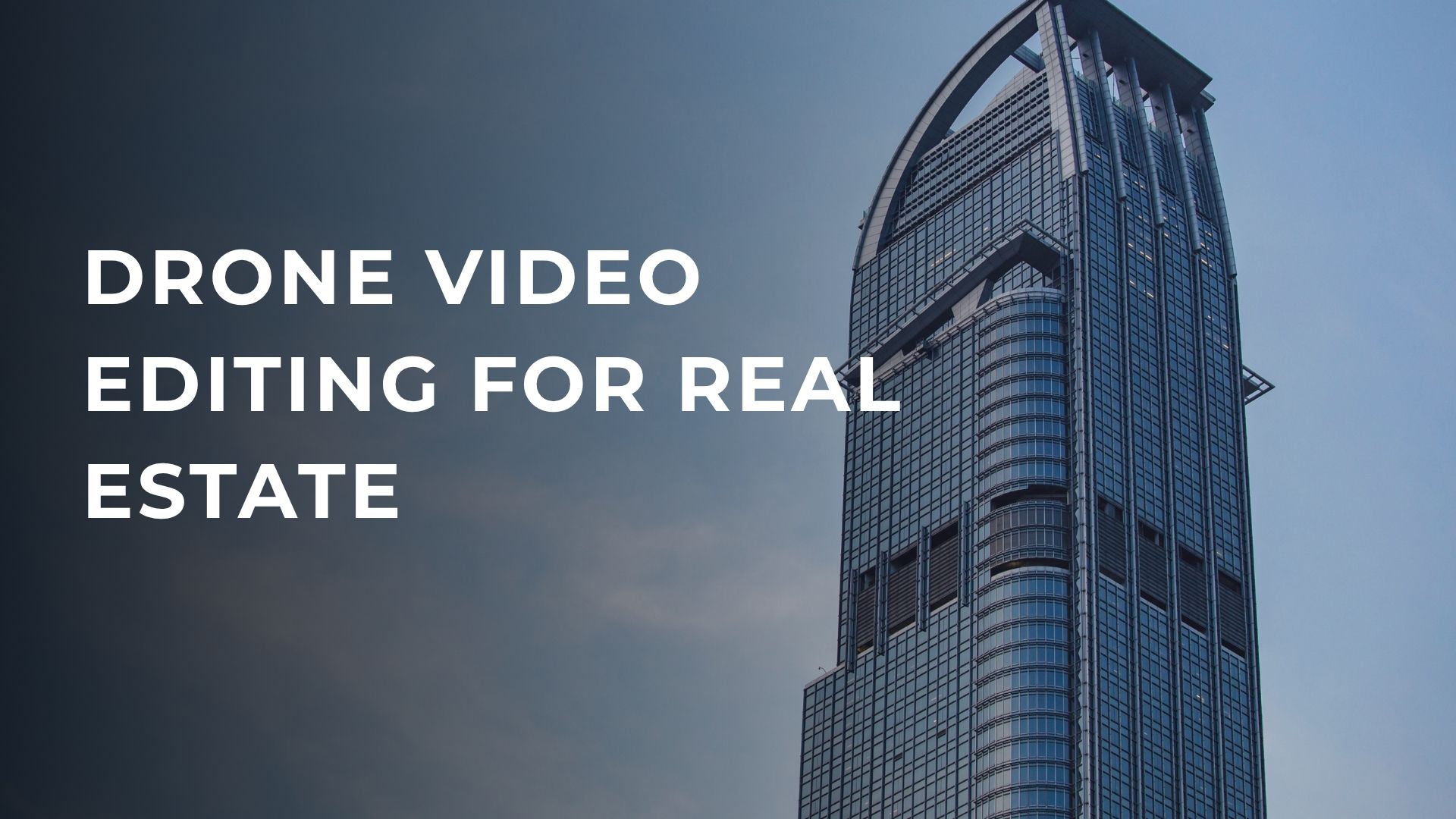
Walk into any open house today and you’ll likely hear the same question buyers ask online before they even show up: “Did you see the drone shots?” Aerial footage has quietly become the first impression most properties get. But raw drone footage, no matter how smooth the flight, rarely sells a home on its own. That’s where Drone Video Editing for Real Estate earns its place – turning footage into a story buyers actually want to watch.
Why Drone Video Editing for Real Estate Matters More Than Ever
Property hunters scroll fast. They skip listings that feel flat, generic, or amateurish within the first three seconds. Sharp editing changes that equation entirely, transforming ordinary footage into something that feels intentional, polished, and worth a second look.
Think of it this way: a drone captures the raw material, but editing is what gives it rhythm, emotion, and pace. A well-edited aerial video doesn’t just show a property – it makes the viewer feel like they’re already walking through it, already imagining their life there.
For developers and colonizers managing dozens of listings, this isn’t a luxury anymore. It’s a competitive necessity. Buyers compare projects side by side, and the one with cinematic, professionally cut footage almost always wins the click.
Essential Tips to Make Your Aerial Footage Look Cinematic
The following are the essential tips to make Aerial Footage Look Cinematic:
Stabilize Before You Edit
Even gimbal-stabilized drones produce slight jitters, especially in windy conditions. Run your footage through stabilization software first; it’s the foundation every other editing decision builds on. Skipping this step makes everything afterward look amateurish, no matter how good your color grading turns out.
Color Grade for Mood and Realism
Flat, unedited drone footage tends to look washed out or oversaturated depending on lighting conditions. Color grading restores natural skin tones in greenery, deepens blue skies, and gives the entire video a consistent, premium visual identity buyers associate with quality.
Master the Art of Transitions
Hard cuts between aerial shots can feel jarring, especially when switching from a wide establishing shot to a closer flyover. Smooth crossfades, speed ramps, or subtle whip pans keep the viewer’s eye engaged without drawing attention to the edit itself.
Sync Footage with Music and Sound Design
Music sets the emotional tone faster than visuals alone. Match cuts to the beat, build toward a climactic reveal (like the front entrance or rooftop view), and avoid generic stock tracks that feel disconnected from the property’s actual character.
Use Motion Graphics Sparingly
Lower-thirds with pricing, square footage, or location details are helpful, but cluttered graphics distract from the footage itself. Keep text minimal, clean, and timed to appear only when the viewer naturally pauses to absorb information.
Read Also- How to Choose the Best Real Estate Video Editing Company?
Real Estate Video Editing Techniques That Elevate Property Listings
Beyond drone-specific adjustments, broader Real Estate Video Editing principles separate forgettable listings from ones that generate genuine inquiries. A few techniques consistently make the difference:
- Establish scale early. Open with a wide aerial shot that contextualizes the property within its neighborhood before zooming into details.
- Layer interior and exterior footage. Cutting between drone shots and ground-level interior walkthroughs creates a fuller narrative than aerial footage alone.
- Highlight golden-hour lighting. Editing footage shot during sunrise or sunset adds warmth that artificial lighting simply cannot replicate.
- Keep pacing tight. Most viewers won’t sit through anything longer than ninety seconds, so trim aggressively and let only the strongest shots survive.
These aren’t just stylistic preferences – they reflect how attention spans actually behave online, and editing decisions should respect that reality rather than fight it.
Should You Hire a Real Estate Video Editing Company or Do It Yourself?
This is the question most property dealers eventually face once their listing volume grows. Editing software has become more accessible, but skill, time, and consistent output quality are different challenges entirely.
Doing it yourself works fine occasionally, especially for smaller portfolios or single-property marketing pushes. But editing is genuinely time-intensive, often taking several hours per minute of finished footage once color grading and sound design enter the picture.
A Real Estate Video Editing Company brings something harder to replicate quickly: pattern recognition built from editing hundreds of similar properties. They know which cuts hold attention, which transitions feel cinematic rather than gimmicky, and how to adapt style across different property types.
For developers juggling multiple ongoing projects, outsourcing also protects internal teams from spreading themselves thin. Marketing staff can focus on strategy and lead generation while editors handle the technical craft of turning raw footage into polished assets.
What to Look for in Real Estate Video Editing Services
Not all providers offer the same quality or specialization. Before committing, it helps to evaluate Real Estate Video Editing Services against a few practical benchmarks that actually predict good results.
- Portfolio relevance. Look for previous work involving similar property types – residential plots, commercial towers, or gated colonies – rather than generic edited content.
- Turnaround time. Real estate moves fast, and listings often need final video assets within days, not weeks, to match launch timelines.
- Revision flexibility. Good editors build in room for feedback rounds without treating every change request as a billing event.
- Understanding of platform formats. Footage destined for Instagram Reels needs different framing and pacing than a YouTube property tour or a website hero video.
Asking direct questions about these areas during initial conversations usually reveals whether a provider understands real estate marketing specifically, rather than treating it as generic video work.
Read Also- Real Estate Video Editing Tutorial
Common Mistakes That Undermine Drone Video Editing for Real Estate
Even experienced editors fall into patterns that quietly weaken otherwise strong footage. Recognizing these early saves both time and the cost of reshoots.
Overusing dramatic music that doesn’t match the property’s actual character is one frequent issue – a peaceful suburban home doesn’t need cinematic orchestral swells borrowed from a film trailer. Another common mistake involves excessive speed ramping, which can look impressive in isolation but quickly becomes disorienting across an entire video.
Ignoring audio quality from ambient drone noise is another overlooked detail. Wind and motor hum often bleed into footage, and failing to clean this up before adding music creates a muddy, unprofessional soundtrack underneath otherwise great visuals.
Finally, treating every property the same way editorially ignores what makes each listing unique. A countryside farmhouse and an urban high-rise deserve genuinely different pacing, color tones, and music choices that reflect their distinct selling points.
Conclusion
Cinematic aerial footage doesn’t happen by accident – it’s built through deliberate editing choices that respect pacing, mood, and the story each property deserves to tell. Whether handled internally or through a trusted partner, Drone Video Editing for Real Estate remains one of the highest-leverage investments a developer or dealer can make in modern property marketing. The dealers who treat editing as seriously as the drone flight itself are the ones whose listings consistently stand out in crowded markets.
Frequently Asked Questions
1. How long should an edited real estate drone video be?
Most successful listings run between sixty and ninety seconds. Anything longer risks losing viewer attention, especially on social platforms where scrolling happens within seconds of a video starting.
2. What software is commonly used for editing real estate drone footage?
Editors frequently rely on Adobe Premiere Pro or DaVinci Resolve for color grading and cutting, paired with stabilization tools like Final Cut Pro’s built-in features or specialized plugins.
3. Is it worth hiring professionals for small property listings too?
For single, lower-value listings, basic in-house editing often suffices. However, consistent volume or premium properties usually justify professional involvement for stronger conversion results.
4. How much does professional real estate video editing typically cost?
Pricing varies widely based on footage length, complexity, and turnaround speed, but most services structure costs per finished minute or per project rather than hourly rates.
5. Can drone footage be edited to look cinematic without expensive equipment?
Yes, largely through editing skill rather than gear alone. Thoughtful color grading, pacing, and music selection can elevate even modestly captured footage into something genuinely polished.