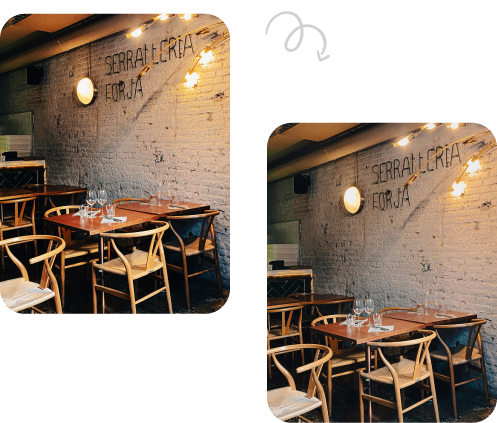

Walk into any real estate office today and you’ll hear the same conversation happening on repeat. Agents are scrambling to make listings stand out, developers want renders that look photorealistic, and everyone is short on time. This is exactly where How AI Is Changing the Game for Real Estate Image Blending becomes more than a buzzy headline- it’s a practical shift in how property visuals get made, edited, and sold.
Gone are the days when a single low-light photo could tank an otherwise great listing. Artificial intelligence has quietly rewritten the rulebook for property visuals, and if you’re in real estate, it’s worth understanding exactly how.
What Is Image Blending?
Image blending is the process of merging two or more photos, renders, or design elements into a single, cohesive visual. Think of a twilight exterior shot combined with a bright interior photo, or a staged living room layered over an empty room.
Traditionally, this required a skilled graphic designer, hours of manual layering in Photoshop, and a keen eye for lighting, shadows, and perspective. One misaligned edge or mismatched shadow, and the whole image looked fake. Today, AI-powered tools handle much of that heavy lifting automatically, analyzing pixels, light direction, and depth to produce a blend that looks seamless in seconds rather than hours.
Why Real Estate Visuals Matter More Than Ever
Buyers now do most of their house-hunting online before ever stepping foot on a property. That means your listing photos aren’t just supporting material – they’re the first, and sometimes only, chance to make an impression.
- Listings with high-quality images get significantly more clicks and inquiries.
- Poorly lit or unedited photos can make even a great property look undesirable.
- Buyers form opinions within seconds of viewing a photo gallery.
This is precisely the pressure point where AI steps in and changes the equation for agents, developers, and colonizers managing large-scale property portfolios.
How AI Is Changing the Game for Real Estate Image Blending
Let’s get into the specifics. AI hasn’t just made blending faster – it’s made it smarter, more accessible, and far more consistent across large volumes of listings.
1. Automated Sky and Lighting Replacement
Overcast day ruining your exterior shots? AI tools can now detect the sky region in an image and replace it with a clear, vibrant sky in seconds, adjusting ambient lighting on the building to match naturally.
2. Virtual Staging Through Intelligent Blending
Empty rooms no longer have to stay empty in photos. AI blends realistic furniture, decor, and textures into vacant spaces, helping buyers visualize a lived-in home without the cost of physical staging.
3. Twilight and HDR Conversion
AI can merge daytime exterior shots with simulated twilight lighting, creating that warm, inviting dusk look agents love, without needing a photographer to wait around at sunset.
4. Object and Clutter Removal
Stray cars, trash bins, or cluttered countertops can be intelligently detected and removed, with the background seamlessly blended back in so nothing looks patched or artificial.
5. Batch Processing for Large Portfolios
Developers and colonizers managing dozens of units no longer need to edit each image manually. AI applies consistent blending, color correction, and enhancement across entire batches in one workflow.
This is the core of How AI Is Changing the Game for Real Estate Image Blending – it’s not replacing human creativity, it’s removing the repetitive, time-consuming parts of the process so professionals can focus on strategy and sales.
Read Also: The Business Benefits of Outsourcing Real Estate Image Blending
The Technology Behind the Magic
Most modern tools rely on a combination of machine learning models trained on millions of images. These models understand depth, edges, lighting angles, and texture patterns well enough to blend elements that would otherwise clash visually.
- Generative Adversarial Networks (GANs): Used to generate realistic textures and fill in missing visual data.
- Semantic Segmentation: Identifies specific objects like windows, doors, or furniture for precise editing.
- Neural Style Transfer: Matches lighting and color tones between blended images for a natural finish.
The result is a blend that doesn’t just look “good enough” – it often passes as an untouched, professionally shot photograph.
Real Benefits for Agents, Developers, and Colonizers
It’s easy to talk about technology in abstract terms, but the real value shows up in day-to-day operations. Here’s what professionals are actually experiencing on the ground.
Faster Turnaround Times
What once took a design team days can now be completed in hours, letting listings go live faster and giving agents a competitive edge in fast-moving markets.
Lower Editing Costs
Hiring dedicated photo editors for every listing adds up quickly. AI-driven blending tools significantly cut those costs while maintaining, or even improving, visual quality.
Consistency Across Listings
For developers managing multiple properties, brand consistency matters. AI ensures every image follows the same lighting, tone, and quality standard, project after project.
Better Buyer Engagement
Sharper, more polished visuals naturally hold attention longer, encouraging potential buyers to scroll through more photos and spend more time engaging with a listing.
Read Also: 5 Common Real Estate Image Blending Mistakes (and How to Avoid Them)
Choosing the Right Approach for Your Business
Not every AI tool is built the same, and not every professional needs the same level of sophistication. Some agents are comfortable using simple mobile apps for quick touch-ups, while larger developers often need more robust, enterprise-level solutions.
For those managing high volumes or premium listings, partnering with a dedicated real estate image blending company can offer a level of polish and consistency that generic apps simply can’t match. These specialized providers combine AI efficiency with human quality control, ensuring every image meets professional standards before it reaches a buyer’s screen.
What This Means Going Forward
The shift toward AI-assisted visuals isn’t a passing trend- it’s becoming the new baseline expectation in real estate marketing. Buyers are used to seeing polished, professional images, and properties that don’t meet that bar risk getting overlooked.
As these tools continue to improve, expect even more automation around video walkthroughs, 3D renders, and interactive property tours, all built on the same blending principles that are already reshaping static photography today.
Conclusion
The way properties are marketed has changed dramatically, and image quality now plays a decisive role in whether a listing gets noticed or ignored. Understanding how AI is changing the game for Real Estate image blending isn’t just useful knowledge anymore – it’s becoming essential for anyone serious about staying competitive in property marketing.
Whether you’re an individual agent looking to speed up your workflow, or a developer managing large-scale projects, embracing these tools now positions you ahead of competitors who are still relying on outdated editing methods.
Frequently Asked Questions (FAQs)
1. What exactly does AI do in real estate image blending?
AI analyzes lighting, depth, and texture across multiple images to merge them seamlessly, automating tasks like sky replacement, virtual staging, and clutter removal that once required manual editing.
2. Is AI-blended imagery considered misleading to buyers?
Not when used responsibly. AI blending typically enhances lighting and staging rather than misrepresenting the property’s actual structure, layout, or condition.
3. Can small independent agents afford these AI tools?
Yes. Many AI editing platforms now offer affordable subscription plans or pay-per-image pricing, making advanced blending accessible even for solo agents and small teams.
4. How is this different from traditional Photoshop editing?
Traditional editing requires manual skill and significant time investment, while AI automates much of the process, delivering faster, more consistent results with far less manual effort.
5. Should developers work with a specialized company instead of using apps directly?
For large-scale, high-value projects, working with an experienced provider often ensures better consistency, quality control, and faster turnaround than relying solely on self-service apps.