
If you’ve ever scrolled through property listings and stopped dead in your tracks because one photo just looked different- richer, more alive, almost cinematic- you’ve already experienced the power of HDR editing. But is it always the right call? And how does it stack up against traditional photo editing methods that professionals have relied on for decades? This article breaks down the Real Estate HDR Photo Editing vs Traditional Photo Editing debate in honest, practical terms- so you can make smarter decisions for your listings, your brand, and ultimately, your sales.
What Is Traditional Photo Editing in Real Estate?
Traditional photo editing has been the industry standard for years. It typically involves post-processing a single RAW or JPEG image using tools like Adobe Lightroom or Photoshop. The editor adjusts exposure, contrast, white balance, color saturation, and sharpness- all within the dynamic range captured in one shot.
This approach works well in controlled environments. A room with even, artificial lighting? Traditional editing handles it beautifully. The results can be clean, consistent, and professionally polished when executed by a skilled editor.
However, the real world isn’t always so cooperative. Real estate interiors often deal with harsh challenges: blown-out windows, dark corners, mixed lighting sources- all in a single frame. That’s exactly where traditional editing starts to show its limits.
Key characteristics of traditional editing:
- Single-exposure base image
- Manual adjustments to brightness, contrast, and color
- Works well for well-lit, uniform spaces
- Faster turnaround in straightforward scenarios
- Lower cost per image in some workflows
What Is Real Estate HDR Photo Editing?
HDR stands for High Dynamic Range. Rather than working from one image, Real Estate HDR Photo Editing Services combine multiple exposures of the same scene- typically three to seven bracketed shots ranging from underexposed to overexposed- and blend them into a single, optimized image.
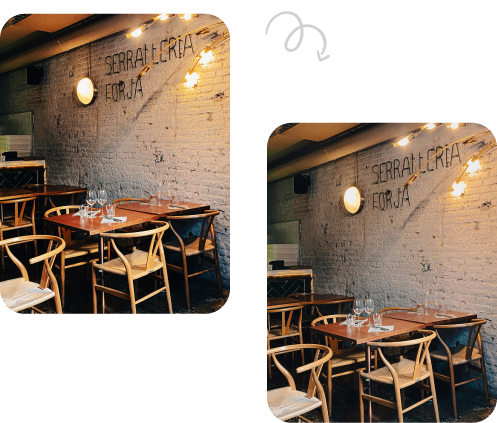
The result? Every zone of the photograph – bright windows, dim hallways, warm lamplight – is properly exposed and visually balanced. Nothing is blown out. Nothing is lost in shadow.
When executed professionally, HDR editing doesn’t look artificial or “over-processed.” It looks natural, just better than what your eye would actually see in person. And in real estate, where first impressions drive clicks, this matters enormously.
What makes HDR editing stand out:
- Multiple exposure blending (3-7 bracketed shots)
- Superior highlight and shadow recovery
- Realistic yet visually stunning results
- Ideal for interiors with mixed lighting or large windows
- Preferred method for luxury and high-end property listings
Read Also- Top Real Estate HDR Photo Editing Company
Real Estate HDR Photo Editing vs Traditional Photo Editing: A Detailed Comparison
Let’s get specific. Here’s how both methods measure up across the areas that matter most to real estate professionals.
1. Dynamic Range and Light Handling
This is where HDR wins – decisively. A typical interior shot faces an extreme contrast challenge: the outside view through windows is 100x brighter than the interior walls. Traditional editing can only do so much. You either expose for the interior (and blow out the windows) or expose for the outdoors (and lose the room).
HDR solves this by blending multiple exposures. The interior is correctly lit. The window view is preserved. The entire image reads naturally, without compromise.
Traditional editing, by contrast, is limited to the dynamic range captured in a single frame – no matter how talented the editor is.
2. Image Quality and Realism
Both methods can produce high-quality results, but they serve different goals. Traditional editing excels at producing clean, minimalist images- ideal for commercial spaces or modern properties where you want simplicity and clarity.
HDR, when handled by a skilled Real Estate HDR Photo Editing Company, produces images with incredible depth, texture, and tonal richness. The colors pop without looking fake. Rooms feel spacious and inviting. Buyers are drawn in.
3. Workflow and Turnaround Time
Traditional editing is faster at the shooting stage- one shot per composition- and can have quicker turnaround for straightforward properties. However, for difficult lighting scenarios, traditional editing can become time-consuming as editors struggle with manual sky replacements and exposure corrections.
HDR requires photographers to shoot bracketed exposures on a tripod, which adds a few minutes per composition. But the editing workflow, when handled by experienced providers offering Real Estate HDR Image Editing Services, is highly systematic and scalable- often delivering better final results in comparable timeframes.
4. Cost Considerations
Traditional editing is often cheaper per image on the surface. But if you’re outsourcing to an average editor who struggles with challenging lighting conditions, you may end up paying for revisions, reshoots, or both.
A professional Real Estate HDR Photo Editing Company may charge slightly more, but the consistency and quality- especially for multi-room shoots- typically justifies the investment. For agents marketing mid-to-high-range properties, the ROI is clear.
5. Versatility Across Property Types
- Traditional editing works well for: bright, evenly lit spaces; exterior daytime shots; commercial properties; quick turnaround projects on tight budgets.
- HDR editing works better for: dark interiors; rooms with large windows; luxury properties; twilight shots; properties with mixed lighting (natural + artificial).
Read Also- Step-by-Step Guide to Creating Perfect HDR Real Estate Photos
When Should You Choose HDR Over Traditional Editing?
Here’s a practical rule of thumb: if your property has windows visible in the shot, or if any room has uneven lighting, HDR is almost always the better choice. The goal of real estate HDR Photography isn’t to document a property- it’s to sell it. HDR does that more effectively in the majority of interior scenarios.
That said, not every listing needs the full HDR treatment. A small studio apartment with perfect natural light? Traditional editing might be perfectly sufficient. A sprawling five-bedroom home with a view? HDR is non-negotiable.
The smartest real estate professionals don’t pick one method and stick with it religiously. They evaluate each property on its own terms and choose accordingly.
The Role of Professional Editing Services
Whether you lean toward HDR or traditional methods, the quality of your editing partner makes all the difference. Platforms offering professional Real Estate HDR Photo Editing Services bring consistency, speed, and technical expertise that in-house amateur editing simply can’t replicate.
A reputable editing company will:
- Understand the nuances of real estate photography requirements
- Deliver consistent color grading across entire property shoots
- Offer fast turnaround times- often 12-24 hours
- Handle advanced corrections like vertical distortion, lens correction, and color cast removal
- Scale with your volume, whether you’re listing 5 properties or 500 per month
For high-volume agents, brokers, and property developers, outsourcing to a specialized service isn’t an added expense- it’s a strategic advantage.
Read Also- Real Estate HDR Editing Tutorial – A Complete Guide
Real Estate HDR Photo Editing vs Traditional Photo Editing: The Verdict
So which is better? The honest answer: it depends on the property, and the best professionals use both.
For challenging interiors, properties with natural light coming through large windows, or any listing where you need to convey space and warmth, Real Estate HDR Photo Editing vs Traditional Photo Editing is a conversation that ends with HDR winning. It delivers images that make buyers feel like they’re already standing in the room.
For simpler exteriors, evenly lit spaces, or quick-turnaround commercial work, traditional editing remains a solid, cost-effective choice.
The real competitive edge? Knowing which method to deploy- and working with an editing partner skilled in both.
Conclusion
In today’s hyper-competitive property market, your listing photos are often the only thing standing between a buyer clicking through or scrolling past. HDR editing has changed what’s possible in real estate photography- transforming difficult, high-contrast interiors into stunning, market-ready images that generate more inquiries, more showings, and faster sales.
Traditional editing still has its place, and the two approaches aren’t enemies- they’re tools. Use them wisely. And if you’re consistently photographing mid-to-high-value properties, investing in professional Real Estate HDR Photo Editing Services isn’t optional anymore. It’s the standard buyers now expect.
Frequently Asked Questions (FAQs)
Q1. What is the main difference between HDR and traditional real estate photo editing?
Traditional editing works with a single image and adjusts exposure, contrast, and color within that frame’s limits. HDR editing blends multiple bracketed exposures – typically three to seven – to capture the full range of light in a scene. The result is a more detailed, balanced, and visually compelling image, especially in challenging lighting conditions like rooms with bright windows.
Q2. Is HDR photo editing always better for real estate listings?
Not necessarily. HDR excels in interiors with mixed or difficult lighting, but for well-lit exterior shots or evenly illuminated spaces, traditional editing can produce equally strong results with faster turnaround. The best approach depends on the property’s unique lighting conditions and the visual goals of the listing.
Q3. Does HDR editing make real estate photos look fake or over-processed?
When done by amateurs using automated HDR tools, yes – the results can look garish or unnatural. However, professional Real Estate HDR Photo Editing Companies use a refined, manual blending process that produces realistic, natural-looking images. The goal is always a photo that looks like the best version of reality, not a digitally manipulated fantasy.
Q4. How long does HDR photo editing take for a real estate shoot?
Most professional editing services deliver HDR-edited real estate photos within 12 to 48 hours, depending on the volume of images and the complexity of the shoot. High-volume workflows with consistent property types can often be turned around faster. Rush delivery options are also commonly available for time-sensitive listings.
Q5. How do I choose the right Real Estate HDR Photo Editing Company?
Look for a company with a strong portfolio of real estate work, transparent pricing, fast and reliable turnaround times, and the ability to handle both HDR and traditional editing. Check client reviews, ask about their blending process, and request a sample edit before committing to a bulk package. The right partner should feel like an extension of your team, not just a vendor.