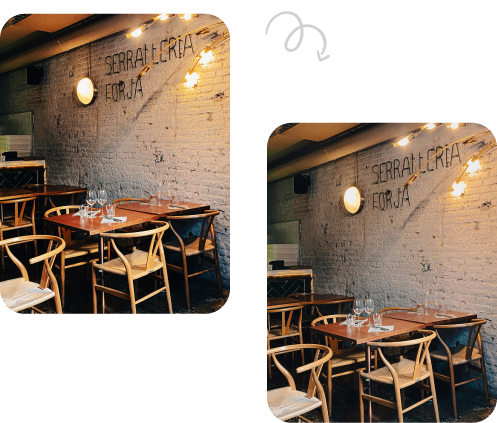

Walk into any empty property, and you’ll notice something immediately – it’s hard to picture a family living there. Bare walls and empty rooms rarely inspire buyers, no matter how great the layout is. This is exactly why AI Virtual Staging for Real Estate Photography has become such a game-changer for agents, developers, and property dealers who want listings that actually sell themselves.
Gone are the days when staging a home meant renting furniture trucks, hiring interior decorators, and spending weeks getting a property “photo-ready.” Today, a few clicks and some smart software can transform an empty room into a beautifully furnished space that buyers can actually connect with emotionally.
What Is Virtual Staging, Really?
Before diving deeper, let’s answer the obvious question: what is virtual staging? In simple terms, it’s the digital process of adding furniture, decor, and design elements to photos of an empty or outdated property- without touching a single physical item.
Traditional staging required real furniture, real labor, and real logistics. Virtual staging replaces all of that with software and design skill, producing images that look every bit as convincing as a professionally staged home.
Why AI Virtual Staging for Real Estate Photography Is Taking Over
The shift toward AI-powered staging isn’t just a trend – it’s a response to how buyers actually shop today. Most home searches start online, and first impressions form within seconds of viewing a listing photo.
- It saves significant time compared to physical staging, which can take days or even weeks to arrange.
- It dramatically cuts costs, since there’s no furniture rental, moving, or storage involved.
- It allows multiple design styles for the same room, helping different buyer personas visualize their ideal home.
- It works on any property type – vacant homes, renovation projects, or even pre-construction units.
For developers and colonizers marketing pre-launch projects, this technology is especially valuable. You can showcase fully “furnished” interiors before a single wall is even built.
How the Technology Actually Works
Modern AI staging tools analyze a room’s dimensions, lighting, and perspective using computer vision. The software then places digitally rendered furniture and decor that matches the room’s proportions and natural light accurately.
Unlike older manual editing methods, AI systems learn design patterns from thousands of real interiors. This means the furniture placement, color palettes, and styling choices look genuinely realistic – not artificially inserted or awkwardly proportioned.
Read Also: Real Estate Virtual Staging Trends Every Agent Should Know
The Real Business Impact for Agents and Developers
Numbers tell a convincing story here. Staged listings – whether physical or virtual – consistently attract more online views, more inquiries, and often close faster than unstaged properties in competitive markets.
For real estate professionals juggling dozens of listings, speed matters enormously. AI Virtual Staging for Real Estate photography lets you turn around polished, market-ready images within hours instead of scheduling staging crews and waiting on shoots.
Practical Advantages Worth Highlighting to Clients
- Faster listing turnaround means properties hit the market while buyer interest and seasonal demand are still strong.
- Sellers avoid the hassle and expense of moving furniture in and out of vacant homes.
- Multiple staging styles (modern, traditional, minimalist) can be tested to see what resonates with target buyers.
- Listings photograph consistently well, regardless of the property’s actual condition or emptiness.
Choosing the Right Real Estate Virtual Staging Services
Not all providers deliver the same quality, so it’s worth being selective. When evaluating real estate virtual staging services, agents and developers should look beyond just price and speed.
- Check portfolio samples for photorealism – furniture should look grounded, properly scaled, and naturally lit within each room.
- Ask about turnaround times, since faster delivery directly affects how quickly you can list a property.
- Confirm revision policies, as design preferences vary and you’ll likely want adjustments before finalizing images.
- Review pricing structures carefully, since some services charge per image while others offer bulk packages for larger portfolios.
A reliable provider becomes a long-term partner in your marketing workflow, not just a one-time vendor for occasional projects.
Read Also: 10 Best Virtual Staging Software for Realtors in 2026
Where AI Virtual Staging for Real Estate Photography Is Headed Next
The technology isn’t standing still. Expect deeper personalization soon, where staging automatically adapts to buyer demographics — younger buyers might see minimalist setups, while families might see functional, cozy layouts.
Integration with virtual tours and 3D walkthroughs is also accelerating. Instead of static staged photos, buyers may soon walk through fully staged virtual environments that update styles in real time, based on their preferences.
What This Means for the Industry Long-Term
Photography and staging will likely merge into a single automated workflow. Agents may simply upload raw property photos, and AI tools will handle staging, editing, and even basic marketing copy generation together.
This convergence means real estate professionals who adopt these tools early will have a genuine competitive edge over those relying purely on traditional photography and staging methods.
Conclusion
The real estate industry has always rewarded those who present properties well, and technology is simply changing how “well” gets defined. AI-powered staging isn’t replacing good photography – it’s amplifying it, making every listing more competitive and visually compelling.
For agents, developers, and property dealers looking to stay ahead, embracing this shift isn’t optional anymore – it’s becoming standard practice. Those who adapt early will consistently outperform competitors still relying on empty rooms and outdated presentation methods.
Frequently Asked Questions
1. Is AI virtual staging as effective as traditional physical staging?
Yes, in most cases it’s equally or more effective. High-quality AI staging produces photorealistic images that buyers often can’t distinguish from physically staged rooms, while costing significantly less and taking far less time.
2. Do I need to disclose that listing photos are virtually staged?
Most regions require a disclosure statement on listings, typically a small note indicating the photos are virtually staged. This keeps things transparent and avoids misleading potential buyers during their decision-making process.
3. Can virtual staging be used for commercial and pre-construction properties?
Absolutely. It’s especially popular for pre-construction projects, allowing developers to showcase furnished interiors before construction is even complete, helping generate early buyer interest and reservations.
4. How long does it take to get virtually staged photos back from a service provider?
Turnaround varies by provider, but most deliver staged images within 24 to 48 hours. Some premium services offer same-day delivery for urgent listings or time-sensitive marketing campaigns.
5. Will AI staging eventually replace professional real estate photographers?
Not entirely. Photographers still capture the raw images needed for staging, and their expertise in lighting and composition remains essential. AI staging complements photography rather than replacing the photographer’s core role.