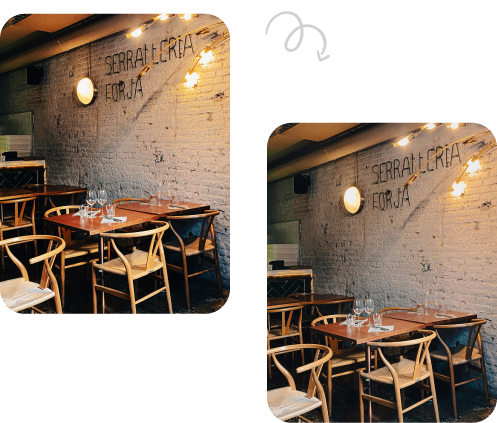

Walk into any open house and you’ll notice something instantly: the light either makes a room feel inviting or leaves it looking flat and forgettable. The same principle applies to video, except online, buyers don’t get a second chance to feel that warmth in person. This is exactly how color grading improves Real Estate property videos for agents, developers, and colonizers who want their listings to stop the scroll and start conversations.
Color grading isn’t just a fancy editing trick reserved for Hollywood films. It’s a practical, results-driven technique that shapes how a viewer emotionally responds to a property before they’ve even scheduled a visit. For real estate professionals, that emotional response often decides whether a lead converts or moves on.
What Exactly Is Color Grading?
Color grading is the process of adjusting the tones, contrast, saturation, and overall mood of raw video footage during post-production. Think of it as the finishing polish that transforms a decent clip into something cinematic and memorable.
Unlike basic color correction, which simply fixes exposure or white balance issues, grading is intentional and stylistic. It’s about crafting a visual identity that matches the property’s character and the brand behind the listing.
How Color Grading Improves Real Estate Property Videos: The First Impression Factor
Buyers form opinions within seconds. A dull, greenish-tinted living room shot can quietly kill interest, even if the layout is perfect. Grading corrects these inconsistencies and creates a cohesive, polished look across every scene.
- Removes unflattering color casts from mixed indoor and outdoor lighting
- Creates visual consistency between rooms shot at different times of day
- Enhances natural textures like wood flooring, marble countertops, and stonework
- Adds warmth to spaces that might otherwise feel cold or clinical
When every frame feels intentional rather than accidental, viewers subconsciously trust the professionalism behind the listing itself.
Setting the Right Mood for Different Property Types
A cozy family home benefits from warmer, softer tones that suggest comfort and belonging. A luxury penthouse, on the other hand, often calls for cooler, sharper contrasts that communicate sophistication and exclusivity.
Skilled colorists tailor the grade to the property’s target buyer. A rustic farmhouse listing shouldn’t look like a downtown corporate loft, and grading is the tool that makes that distinction obvious without a single word of narration.
Why Color Consistency Builds Buyer Confidence
Nothing undermines credibility faster than a video where the kitchen looks warm and golden while the bedroom appears cold and blue-tinted. These inconsistencies read as unprofessional, even if unintentional.
Color grading ties every shot together with a unified visual language. This consistency signals attention to detail, and buyers often equate that attention with how well the property itself has been maintained.
The Psychology Behind Color Choices
Color influences emotion far more than most people consciously realize. Warm amber tones can evoke comfort, while cooler blues suggest calm and cleanliness, both of which matter enormously in real estate marketing.
- Warm tones: ideal for living rooms, dining areas, and cozy interiors
- Cool tones: effective for bathrooms, modern kitchens, and minimalist spaces
- Balanced neutrals: best for showcasing natural light and architectural detail
This is another clear example of how color grading improves Real Estate property videos, because it turns simple footage into a strategic emotional tool rather than a passive recording.
Read Also: Real Estate Video Editing Tutorial
Elevating Perceived Property Value
Buyers associate visual polish with quality, whether that association is fair or not. A well-graded video subtly communicates that a property, and by extension its price point, is worth serious consideration.
This is particularly valuable for developers and colonizers marketing pre-construction projects, where video often serves as the only tangible representation of a future community. Color grading helps these renders and walkthroughs feel aspirational and premium.
Standing Out on Crowded Platforms
Property portals and social feeds are saturated with listings competing for the same limited attention span. A professionally graded video visually separates itself from flat, unedited smartphone footage within seconds.
This differentiation matters more than agents often realize. Buyers scroll quickly, and a listing that looks cinematic rather than amateur earns a longer, more attentive watch time.
Practical Ways Agents Can Leverage Color Grading
You don’t need to become a colorist overnight to benefit from this technique. Understanding the basics helps agents brief editors clearly and evaluate finished work with a more critical eye.
- Request a consistent visual style across all listings to build brand recognition
- Ask editors to match exterior and interior tones for seamless transitions
- Prioritize natural-looking skin tones and true-to-life material textures
- Avoid over-saturated grades that misrepresent the property’s actual condition
That last point deserves emphasis. Overly dramatic grading can backfire if buyers feel misled during an in-person visit, so subtlety and honesty should always guide the final look.
Working With Professionals Instead of DIY Filters
Smartphone filters and one-click presets rarely account for the nuanced lighting conditions found in real estate shoots. A single property might include natural daylight, warm indoor lamps, and cool fluorescent fixtures all in one walkthrough.
This is precisely why many agents and developers now partner with a real estate video editing company rather than relying on generic apps. Professional colorists understand how to balance these mixed light sources into one cohesive, believable final product.
Color Grading and Aerial or Drone Footage
Drone shots showcasing neighborhoods, gated communities, or large plots often suffer from washed-out skies or overly harsh sunlight. Grading corrects these exposure issues while enhancing the sense of scale and grandeur.
For colonizers marketing large residential projects, this technique transforms ordinary aerial footage into something that genuinely communicates lifestyle and location appeal, two factors that heavily influence buyer decisions.
The Long-Term Marketing Advantage
Beyond a single listing, consistent color grading across an agency’s entire video portfolio builds a recognizable visual brand. Over time, viewers begin associating that polished, distinctive look with quality and reliability.
This is arguably the most understated example of how color grading improves Real Estate property videos, since the benefit compounds across dozens of listings rather than appearing in just one isolated video.
Conclusion
Color grading has quietly become one of the most influential yet underappreciated tools in real estate marketing. It shapes emotion, builds trust, elevates perceived value, and helps listings stand out in an increasingly crowded digital marketplace.
For agents, developers, and colonizers serious about converting views into inquiries, investing in professional color grading isn’t a luxury anymore, it’s a competitive necessity. The difference between a forgettable walkthrough and a scroll-stopping showcase often comes down to this single post-production step.
Frequently Asked Questions
1. Does color grading make a property look different from reality?
When done ethically, grading enhances existing colors and lighting rather than fabricating a false representation. Reputable editors aim for accuracy that still looks polished and inviting.
2. How long does color grading typically add to the editing process?
Depending on footage length and complexity, grading usually adds a few hours to a full day. Most professional editing packages already factor this time into their turnaround estimates.
3. Can color grading fix poorly shot footage?
Grading can improve tone, contrast, and consistency, but it cannot fix severe issues like blur, poor framing, or extreme underexposure. Good raw footage remains essential.
4. Is color grading necessary for every type of property video?
While especially valuable for luxury and large-scale developments, even modest listings benefit from basic grading to ensure natural, consistent, and professional-looking visuals.
5. Should agents grade videos themselves or hire professionals?
Basic adjustments are possible with editing software, but nuanced results typically require trained colorists who understand lighting theory and buyer psychology in depth.