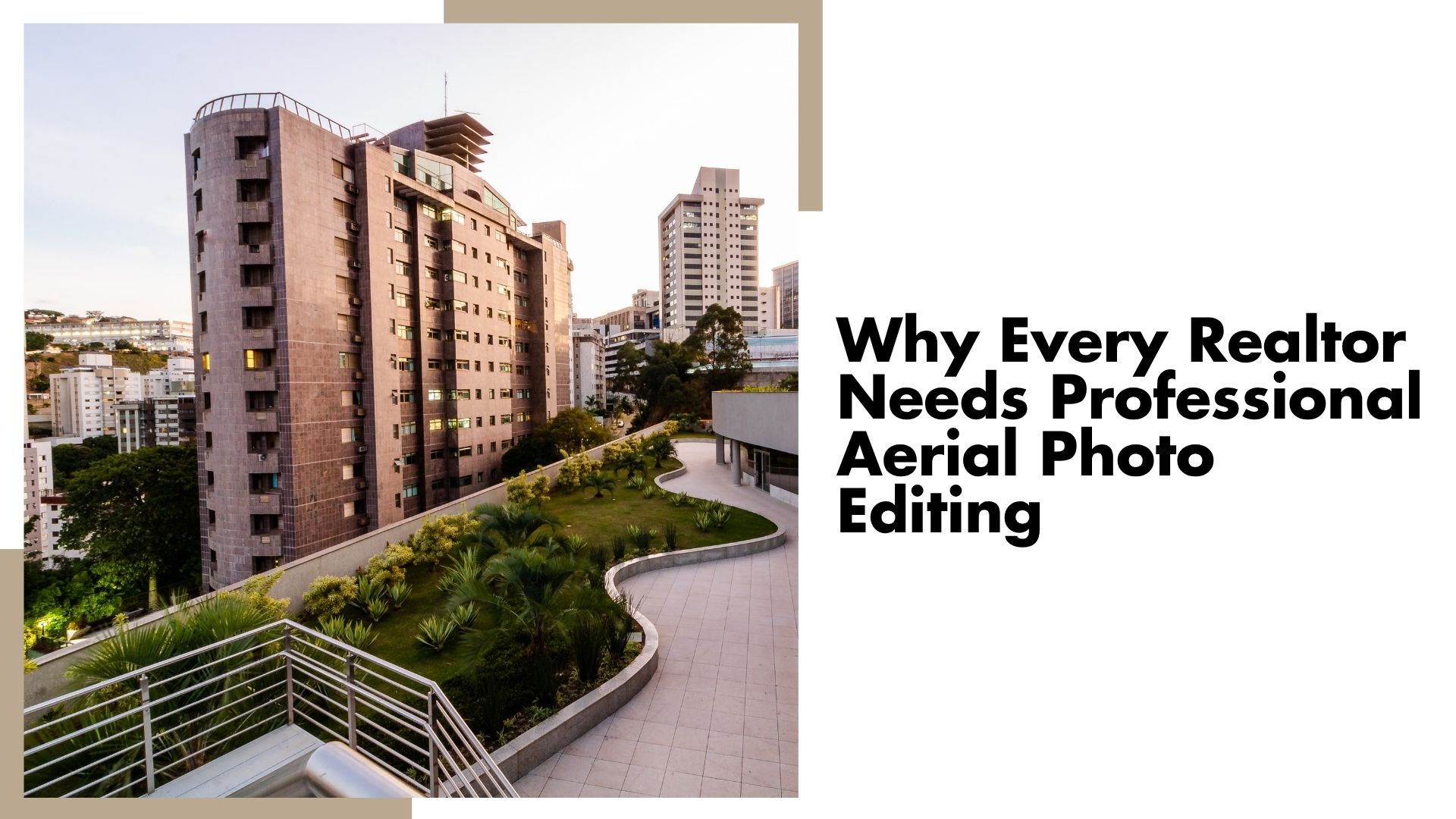
Walk through any listing app today and you’ll notice something: the properties that stop the scroll aren’t just well-photographed, they’re beautifully edited from above. That’s precisely why realtor needs professional aerial photo editing to compete in a market where buyers decide in seconds whether a home deserves a second look. Drones have made aerial shots easy to capture, but raw footage rarely tells the story a listing needs. The real transformation happens in post-production, where lighting, color, and composition turn an ordinary flyover into a compelling visual pitch.
The Shift in Buyer Behavior Nobody Can Ignore
Homebuyers in 2026 aren’t flipping through printed brochures anymore. They’re swiping through phones, comparing dozens of listings in a single sitting, often before their morning coffee gets cold.
This behavior shift means the visual bar has risen dramatically. A grainy, poorly balanced aerial shot doesn’t just look unprofessional, it actively signals to buyers that the property (or the agent) isn’t worth their time.
- Buyers form an opinion about a listing within 3-5 seconds of viewing the first image.
- Listings with polished aerial visuals receive noticeably higher click-through rates on major platforms.
- Agencies using edited drone imagery report faster inquiry response times from serious buyers.
Why Realtor Needs Professional Aerial Photo Editing to Stand Out
Every agent has access to a drone these days. What separates a forgettable listing from a viral one isn’t the equipment, it’s the editing. Raw aerial footage often suffers from washed-out skies, uneven exposure, and distracting elements like parked cars or overgrown hedges.
Professional real estate photo editing corrects these flaws while enhancing the property’s genuine strengths. Skies get replaced with richer blues, lawns look healthier, and rooflines appear crisp rather than blown out by harsh midday sun.
Where Editing Makes the Real Difference
- Color correction: Balances tones so the property looks accurate yet inviting, not artificially saturated.
- HDR blending: Merges multiple exposures to reveal detail in both shadows and bright skies.
- Sky replacement: Swaps dull, overcast backdrops for clear, appealing skies without looking fake.
- Object removal: Erases distractions like trash bins, stray vehicles, or construction debris.
- Perspective correction: Straightens lines and angles distorted by wide drone lenses.
Beyond Aesthetics: The Business Case for Editing
It’s tempting to view editing as a cosmetic add-on, something nice to have if budget allows. But the numbers tell a different story entirely.
Properties marketed with professionally edited aerial imagery consistently sell faster and closer to asking price than those relying on unedited or amateur visuals. That gap translates directly into commission and reputation.
- Faster days-on-market means lower holding costs for sellers and quicker payouts for agents.
- Higher perceived property value often justifies stronger initial listing prices.
- Polished imagery builds trust, encouraging referrals and repeat business from satisfied clients.
Aerial Editing and the Rise of AI-Driven Search
Search engines and AI-powered discovery tools now favor content and visuals that are clear, well-structured, and genuinely informative. This matters more than most agents realize.
When listings appear in AI-generated summaries or map-based search results, the accompanying imagery needs to look sharp at a glance, since thumbnails are often small and compressed. Poorly edited photos lose detail and impact in this format, while professionally processed images retain clarity even when scaled down.
Why This Trend Reinforces the Need for Editing
As more buyers rely on AI tools to shortlist properties before ever contacting an agent, visual quality becomes a silent gatekeeper. This is another reason why realtor needs professional aerial photo editing woven into their standard marketing workflow, not treated as an occasional upgrade.
Choosing Between DIY Editing and Outsourcing
Some agents attempt to edit their own drone photos using mobile apps or basic software. It’s understandable, budgets are tight and timelines are tighter.
The problem is consistency. DIY edits often vary in quality from listing to listing, which can dilute an agent’s personal brand over time. Partnering with a dedicated Real Estate aerial photo editing company ensures every property receives the same professional treatment, regardless of who captured the original footage.
- Time savings: Outsourcing frees agents to focus on client relationships instead of software tutorials.
- Consistent branding: Every listing carries the same polished, recognizable visual style.
- Technical expertise: Professionals understand exposure blending, color grading, and file optimization for web use.
- Scalability: Agencies handling multiple listings weekly need editing that keeps pace without sacrificing quality.
What to Look for in an Editing Partner
Not all editing providers deliver the same value. Before signing on with any Real Estate aerial photo editing services provider, agents should evaluate a few key factors.
- Turnaround time that fits fast-moving listing schedules, ideally 24-48 hours.
- A portfolio showcasing real estate specific work, not generic landscape photography.
- Clear pricing structures without hidden fees for revisions or rush requests.
- Familiarity with formats optimized for MLS listings, social media, and virtual tour platforms.
Why Realtor Needs Professional Aerial Photo Editing for Long-Term Brand Growth
Beyond individual listings, consistently polished aerial imagery builds a recognizable personal brand. Clients begin associating an agent’s name with quality, professionalism, and attention to detail, qualities that drive referrals long after a single sale closes.
This is ultimately the deeper reason why realtor needs professional aerial photo editing as part of their core marketing strategy rather than an occasional expense reserved for luxury listings alone.
Conclusion
The real estate landscape of 2026 rewards agents who invest in presentation as much as negotiation skill. Aerial photography has become table stakes, but editing is what separates listings that get noticed from those that get scrolled past.
Whether working with a specialized Real Estate aerial image editing services provider or building an in-house workflow, the goal remains the same: present every property at its absolute best. Agents who prioritize this now will find themselves better positioned, both in client trust and in search visibility, as visual standards continue climbing.
Frequently Asked Questions
1. What exactly does aerial photo editing involve?
It typically includes color correction, HDR blending, sky replacement, distraction removal, and perspective adjustments to make drone images look polished and accurate for listings.
2. Is aerial photo editing only necessary for luxury properties?
No. While high-end listings benefit greatly, mid-range and starter homes also see improved engagement and faster sales when marketed with professionally edited imagery.
3. How long does professional editing usually take?
Most reputable providers deliver edited images within 24 to 48 hours, though rush options are often available for time-sensitive listings.
4. Can editing make a property look misleading to buyers?
Ethical editing enhances accuracy rather than distorting reality. It corrects lighting and removes temporary clutter without misrepresenting the actual property or its features.
5. Is it more cost-effective to edit photos in-house or outsource them?
Outsourcing generally proves more efficient for agents handling multiple listings, since it saves time, ensures consistency, and avoids the learning curve of professional editing software.