Real Estate photo editing has become mainstream for many Realtors. First impressions sell homes before a buyer ever steps through the front door. In a market where 95% of buyers begin their search online, a blurry photo or a poorly lit listing can quietly kill interest before it even starts. That’s why understanding how to choose the best Real Estate photo editing company has become a genuine business decision for agents, developers, and property dealers who want their listings to stand out rather than blend into an endless scroll of mediocre images.
The truth is, not every editing company delivers the same value. Some rush through batches of images with generic filters, while others treat every property like it deserves a tailored visual story. Picking the right partner affects everything from your brand reputation to how quickly a property moves off the market.
Why the Right Editing Partner Matters More Than You Think
Real estate photography is only half the equation. The editing process is where flat, ordinary shots transform into images that evoke emotion and urgency. A skilled editor can correct exposure, straighten perspectives, enhance skies, and remove distracting clutter without making the photo look artificial.
On the flip side, a poor editing job can make a beautiful property look staged, fake, or worse, dishonest. Buyers notice when window views are unnaturally saturated or when virtual staging looks clumsy. This is precisely why learning how to choose the best Real Estate photo editing company should be a priority, not an afterthought, for anyone serious about their listings.
Key Factors to Consider Before Hiring a Real Estate Photo Editing Company
Choosing a photo editing partner isn’t about picking the cheapest option on a Google search. It requires a closer look at their process, portfolio, and how well they understand the nuances of property marketing.
1. Review Their Portfolio Critically
A company’s portfolio tells you almost everything you need to know. Look for consistency across different lighting conditions, property types, and editing styles. Are the skies natural? Do interiors look bright without appearing overexposed or artificial?
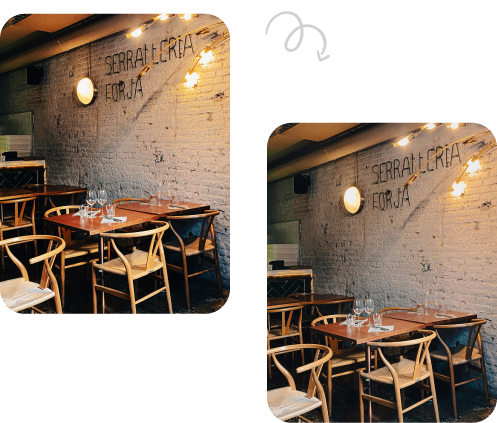
- Check before-and-after samples to gauge their transformation quality.
- Look for variety, luxury homes, condos, commercial spaces, and vacant lots.
- Notice if virtual staging examples look believable or obviously synthetic.
2. Turnaround Time Should Match Your Workflow
Real estate moves fast, and listings often need to go live within hours, not days. A dependable editing company should offer clear timelines, ideally 12 to 24 hours for standard packages, with rush options available for urgent listings.
Ask potential vendors directly about their average delivery window and what happens during high-demand seasons like spring, when listing volumes typically spike across most markets.
3. Range of Services Offered
The best providers don’t just do basic color correction. They offer a full suite of Real Estate photo editing services including HDR blending, virtual twilight conversions, sky replacement, item removal, lawn enhancement, and virtual staging for empty rooms.
Having one vendor who can handle all these needs saves you the hassle of juggling multiple freelancers or platforms, which often leads to inconsistent results across your listing photos.
Read Also- Real Estate Photo Editing Tutorial
How to Choose the Best Real Estate Photo Editing Company for Long-Term Partnership
If you’re managing dozens of listings a year, you’re not just hiring an editor for one project. You’re building a relationship that should scale with your business. This is where many agents get it wrong, they choose based on a single low price rather than long-term reliability.
Ask about their capacity to handle bulk orders, especially if you work with a brokerage or manage listings for multiple agents. A company that can’t scale during busy months will eventually become a bottleneck rather than a solution.
Communication and Revision Policies
Even the most talented editors occasionally miss the mark on a specific request. What separates a great company from an average one is how easily they accommodate revisions.
- Ask how many free revision rounds are included per order.
- Confirm whether feedback can be given through simple markup tools or screenshots.
- Check if there’s a dedicated point of contact rather than a rotating support queue.
Pricing Transparency
Pricing shouldn’t feel like a guessing game. Reputable companies list their rates clearly, whether it’s per image or per package, and explain what’s included versus what counts as an add-on service.
Be cautious of prices that seem too good to be true. Extremely low rates often mean outsourced, unsupervised editing with minimal quality control, which can hurt your listing’s credibility rather than help it.
Red Flags to Watch Out For
Sometimes knowing what to avoid is just as important as knowing what to look for. A few warning signs suggest you might want to keep searching for a better fit.
- No sample portfolio or unwillingness to share recent client work.
- Vague answers about data security and image storage practices.
- No trial offer or money-back guarantee for first-time clients.
- Overly generic marketing language without specific service details.
Aligning Editing Style With Your Brand
Every brokerage or agent develops a visual identity over time, whether they realize it or not. Some prefer bright, airy edits with soft tones, while others lean toward bold, high-contrast HDR looks that emphasize drama and depth.
When evaluating vendors, ask if they can adapt their editing style to match your brand’s existing aesthetic rather than forcing their default look onto every project. This flexibility often separates a forgettable vendor from a true creative partner who understands your bigger marketing picture.
Technology and Tools They Use
While the final image is what matters most, understanding the tools behind the process can hint at consistency and quality control. Companies using professional software like Adobe Lightroom, Photoshop, and specialized HDR blending tools typically produce more polished, natural-looking results.
Ask if they use AI-assisted editing for speed, and if so, whether human editors still review each image before delivery. The best results usually come from a hybrid approach, where technology speeds up repetitive tasks while human judgment ensures the final image looks authentic.
Conclusion
Choosing the right partner isn’t just about pretty pictures, it’s about protecting your brand, saving time, and helping properties sell faster in a competitive market. Understanding how to choose the best Real Estate photo editing company means looking past flashy websites and low prices toward real portfolio quality, dependable turnaround times, transparent pricing, and a genuine willingness to adapt to your brand’s style.
Take your time evaluating a few vendors, ask for trial edits, and pay attention to how they communicate throughout the process. The right editing partner won’t just enhance your photos, they’ll become a quiet but essential part of your growth strategy for years to come.
Frequently Asked Questions
1. How much do professional real estate photo editing services typically cost?
Pricing usually ranges from $1 to $5 per image depending on complexity, with virtual staging and twilight conversions costing more due to the additional editing work involved.
2. How long does it take to get edited real estate photos back?
Most reliable companies deliver within 12 to 24 hours for standard editing, though rush services can often return images in as little as 2 to 4 hours for an added fee.
3. Can editing companies fix poorly lit or blurry photos?
Editors can significantly improve exposure, sharpness, and color balance, but extremely blurry or out-of-focus shots may still show some quality limitations after editing.
4. Is virtual staging better than physical staging for vacant properties?
Virtual staging is far more affordable and faster to implement, though physical staging still offers buyers a tangible walkthrough experience that some agents prefer for luxury listings.
5. What file formats should I expect after editing is complete?
Most companies deliver high-resolution JPEG files optimized for MLS listings and web use, though some also provide TIFF or PNG formats upon request for print marketing materials.