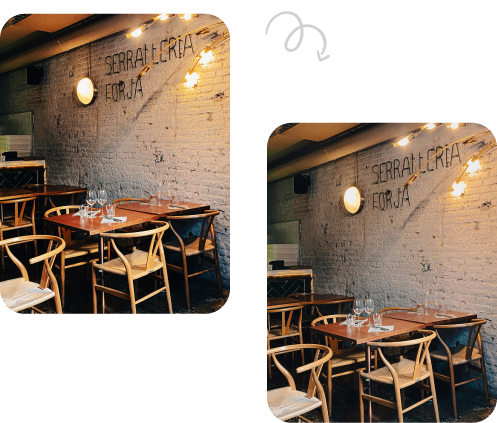


But what exactly is image blending, and why does it matter so much in the high-end segment? Let’s break it down- practically, visually, and strategically.
What Is Image Blending in Real Estate Photography?
Image blending in real estate is a post-processing technique where multiple photographs of the same scene – each captured at different exposures – are merged into a single, perfectly balanced image. Rather than relying on just one shot, photographers take a bracketed series: one for the bright exterior view through the window, one for the well-lit interior, and sometimes one for the mid-tones in between.
These are then layered and blended in editing software to produce a final image where both the interior details and the outdoor scenery are crisp, vibrant, and true to life. The result? A photograph that looks exactly the way your eye perceives a space in person- not washed out, not shadowy, but perfectly balanced.
This is worlds apart from a single-exposure shot, where you’re almost always forced to choose between exposing correctly for the inside or the outside – rarely both.
Why Luxury Properties Demand a Higher Visual Standard
Luxury real estate buyers are a discerning group. They research extensively before scheduling a viewing, and they make snap judgments based on listing imagery within seconds. A poorly lit photo with blown-out windows or dark, muddy interiors signals one thing: lack of attention to detail, which is the last impression you want to give for a premium listing.
High-end properties typically feature floor-to-ceiling windows, open-plan layouts, and stunning outdoor environments – all elements that are notoriously difficult to capture in a single shot. Image blending solves this elegantly. It allows every architectural detail, material finish, and view to be presented at its absolute best.
Consider the difference between:
- An interior that looks dark and cramped because the camera was exposed for the bright window behind it
- A beautifully blended image where the marble countertops, natural light, and garden view beyond are all equally vivid and inviting
The second image doesn’t just look better – it sells a lifestyle. And in the luxury segment, that’s exactly what buyers are purchasing.
Read Also- Real Estate Image Blending vs HDR Photography: Which Is Better?
The Role of Image Blending in Luxury Real Estate Photography: A Technical Breakdown
Understanding the role of image blending in luxury real estate photography means appreciating both its artistic and technical dimensions. Here’s how the process typically unfolds from shoot to final delivery:
1. Bracketed Exposure Shooting
The photographer captures 3 to 5 images of each composition at varying exposure levels – typically ranging from underexposed (to preserve highlight detail in windows and outdoor areas) to overexposed (to illuminate shadow areas inside the room). This gives the editor a full tonal range to work with.
2. Flash or Ambient Light Layer Capture
For premium results, photographers often also capture a flash exposure that evenly illuminates the interior without relying solely on ambient light. This flash layer is later blended in subtly to add depth and dimension – without making the space look artificially lit.
3. Manual Masking and Blending in Post-Processing
This is where the real artistry happens. Using tools like Adobe Photoshop, skilled editors manually paint masks to selectively reveal the correctly exposed portions from each layer. The window view comes from the darkest exposure; the room interior from the brightest; and transitional zones are seamlessly feathered to avoid harsh edges or halos.
4. Color Correction and Tone Matching
Once the exposures are blended, the color tones across the image are unified – ensuring that warm interior lighting and cool natural daylight coexist naturally rather than clashing. This step is critical for maintaining a realistic, magazine-quality look.
5. Final Output Optimization
The finished image is exported at high resolution, color-corrected for screen and print use, and delivered ready for listing platforms, print brochures, and digital marketing materials.
The Business Case: How Image Blending Impacts Sales Performance
Beyond aesthetics, there’s a tangible commercial argument for investing in professional Real Estate Image blending services. Research consistently shows that high-quality listing photography leads to faster sales, more enquiries, and – in the luxury market – stronger offers.
Here’s what image blending specifically contributes to your sales pipeline:
- Higher click-through rates: Listings with professionally blended images stand out in crowded portals. Buyers scroll fast – a striking image stops the scroll.
- Stronger buyer engagement: When a property looks as good online as it does in person, buyers arrive at viewings already emotionally invested – which is powerful for conversion.
- Justified premium pricing: Beautifully presented properties support premium price points. Buyers are far less likely to negotiate aggressively when they perceive the listing as aspirational and well-maintained.
- Agent and developer credibility: Consistent, high-quality visual marketing builds your professional brand. Sellers notice when their agent presents properties with exceptional imagery – and refer others accordingly.
Whether you’re listing a penthouse, a coastal villa, or a gated community development, working with a trusted Real Estate Image blending company ensures your marketing materials operate at the level your properties deserve.
The Role of Image Blending in Luxury Real Estate Photography vs. Standard HDR
A common misconception is that HDR (High Dynamic Range) photography and image blending are the same thing. They aren’t – and understanding the distinction matters if you’re aiming for truly premium results.
Automated HDR processing merges exposures algorithmically. It’s fast and inexpensive, but it frequently produces images that look over-processed – with unnatural halos, exaggerated contrast, and a slightly surreal quality that experienced buyers immediately recognize.
Manual image blending, on the other hand, is a hand-crafted process. A skilled editor examines each layer and makes deliberate, nuanced decisions about exactly which pixels from which exposure to use – and how to transition between them invisibly. The result is an image that looks completely natural, yet technically perfect.
For luxury listings, this distinction is non-negotiable. A prospective buyer for a $5 million property expects the same level of craft in the photography as they do in the property itself.
Read Also- The Business Benefits of Outsourcing Real Estate Image Blending
Choosing the Right Real Estate Photo Blending Services
Not all editing services are created equal. When selecting Real Estate photo blending services for your luxury portfolio, there are several factors worth evaluating carefully:
- Portfolio quality: Review examples across a range of property types and lighting conditions. Look for natural-looking results, clean window transitions, and consistent color grading.
- Manual vs. automated processing: Confirm that the service uses manual masking techniques rather than automated HDR algorithms – particularly important for high-end listings.
- Turnaround time: In a competitive market, speed matters. Reliable services typically deliver within 24-48 hours without compromising quality.
- Communication and revisions: A professional service should offer clear communication and a reasonable revision policy – because sometimes a subtle adjustment makes all the difference.
- Scalability: If you’re a developer with multiple units to photograph simultaneously, ensure your editing partner can handle volume without a drop in standards.
Common Scenarios Where Image Blending Makes the Biggest Difference
While image blending benefits virtually any interior shoot, there are specific situations where its impact is especially dramatic:
- Rooms with large windows or glass walls: The most classic blending scenario – balancing interior exposure with exterior views.
- Twilight and dusk photography: Blending interior warmth with the deep blues of the evening sky creates incredibly dramatic, aspirational imagery.
- Open-plan spaces: Large rooms with multiple light sources across a wide dynamic range benefit enormously from careful blending.
- Properties with pools and outdoor entertaining areas: Capturing the transition from indoor to outdoor living requires precise tonal management that only blending can achieve.
- Dark or challenging rooms: Basements, wine cellars, cinema rooms, and other moody spaces can be beautifully lit and blended to feel inviting rather than claustrophobic.
Conclusion
The luxury real estate market moves fast, and buyers have more choice than ever before. In this environment, visual excellence isn’t optional – it’s your first and most powerful competitive advantage. The role of image blending in luxury real estate photography continues to grow as more agents, developers, and property marketers recognise that technically superior images translate directly into superior commercial outcomes.
From capturing the perfect balance of natural light and interior warmth, to showcasing panoramic views without sacrificing interior detail, image blending is the technique that bridges the gap between what a camera can capture and what the human eye actually experiences. Invest in it deliberately, partner with specialists who understand the luxury market, and watch the difference it makes – not just in how your listings look, but in how quickly and profitably they sell.
FAQs: Role of Image Blending in Luxury Real Estate Photography
1. What is the difference between image blending and HDR photography in real estate?
HDR (High Dynamic Range) photography uses automated software to merge multiple exposures, often producing an over-processed, unnatural look with halos and exaggerated tones. Image blending, by contrast, is a manual process where a skilled editor carefully combines specific portions of each exposure using layer masks – resulting in a far more natural, realistic, and polished final image. For luxury real estate, manual blending is always the preferred approach.
2. How many exposures are typically needed for real estate image blending?
Most professional photographers capture between 3 and 5 bracketed exposures per composition – ranging from underexposed (to preserve bright window detail) to overexposed (to reveal shadow areas). In addition, some photographers also capture a flash-lit exposure for interior detail, which is then blended in subtly during post-processing. The exact number depends on the complexity of the scene and the range of light within it.
3. Is image blending worth the investment for mid-range properties, or is it only for luxury listings?
While image blending is particularly impactful for luxury properties – where the stakes are highest and the visual expectations are greatest – it adds value at virtually every price point. Any property with windows, natural light, or mixed lighting conditions will benefit from blended photography. The return on investment is typically justified by faster sales cycles and stronger buyer engagement, regardless of the price bracket.
4. How long does professional real estate image blending typically take?
Turnaround times vary by provider, but most professional real estate editing services deliver blended images within 24 to 48 hours of receiving the raw files. For urgent listings or large development projects with multiple units, many companies offer express turnaround options. It’s always worth confirming timelines upfront, especially around peak listing periods or major property launches.
5. Can image blending fix photos that weren’t shot with bracketing in mind?
Image blending is most effective when the photographer has intentionally captured a bracketed series on location. However, experienced editors can sometimes improve a single-exposure image using luminosity masking, sky replacement, or flash exposure techniques – though the results are generally more limited. For the best possible outcome, always brief your photographer to capture correctly bracketed exposures at the time of the shoot rather than attempting to fix suboptimal raw files in post-production.