
If you’ve ever browsed through property listings online, you know that photos make or break a deal. A stunning photo can instantly grab attention, while a dull or distorted one can deter potential buyers, no matter how beautiful the actual space may be. Among the many editing techniques that can upgrade property photos, shadow removal stands out as a true game-changer. But what exactly is shadow removal, and how does it help in real estate photography? Let’s break it down in simple terms and explore how shadow removal editing transforms Real Estate photography.
What Is Shadow Removal in Real Estate Photography?
In basic terms, shadow removal is the process of editing out unwanted shadows from real estate photos. These shadows may be caused by natural light (like harsh sunlight streaming through a window), artificial lighting, furniture, or even the photographer themselves.
Some shadows add depth and realism. But others? They create distractions, hide details, and mess with the overall aesthetics of the photo. That’s where professional editing comes in. With tools like Photoshop and AI-powered software, editors can soften or completely remove these shadows, giving the image a clean, well-lit, and professional finish.
Explore our Real Estate Image Blending services to boost your property listing.
Why Shadows Are a Problem in Property Photos
Imagine you’re looking at a photo of a spacious living room, but there’s a dark shadow stretching across the floor from a nearby window frame. That simple shadow can:
-
Make the space look smaller or darker
-
Hide key features, like flooring textures or decor
-
Create visual imbalance
-
Distract from the room’s best angles
-
Give a poorly lit or unprofessional vibe
In short, unnecessary shadows take away from the purpose of the photo: to highlight the property in its best light-literally.
Instant Impact: The Transformation Is Real
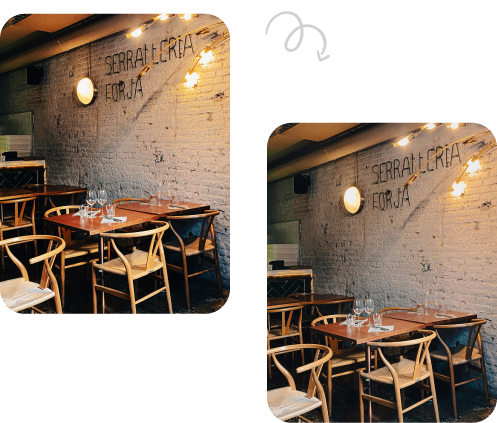
Here’s the cool part-once shadows are removed, the change is immediate and striking. The same photo that once looked average now looks polished and inviting. Take a look at the difference shadow removal makes:
-
Before: The kitchen appears dim and tight, thanks to shadows under cabinets and countertops.
-
After: With shadows gone, the space feels brighter, cleaner, and much more appealing.
This instant transformation is why professional editors and real estate photographers rely on shadow removal to elevate their work.
Read Also- How To Clear the Background Using Photoshop
How Shadow Removal Editing Transforms Real Estate Photography?
Let’s get into how shadow removal improves specific areas in a typical property listing.
1. Exteriors
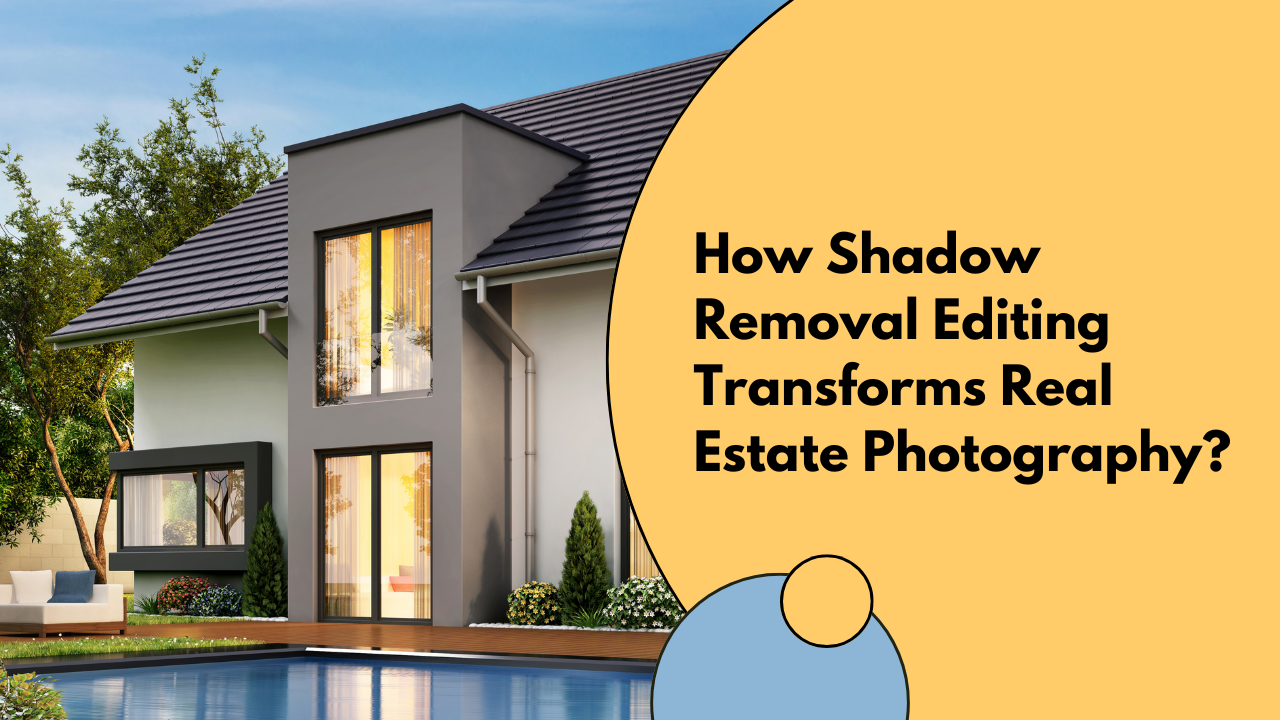
Outdoor photos often suffer from shadows caused by trees, fences, or neighboring buildings. Shadow removal helps balance lighting and reveals the full beauty of the architecture and landscaping.
2. Interiors
Harsh indoor lighting can cast shadows behind furniture, under lighting fixtures, or around windows. Removing these helps keep focus on the layout, design, and spaciousness of the room.
3. Windows and Glass Surfaces
Reflections and shadows often distort how a window looks. By editing these out, the view becomes clearer and more appealing to buyers.
4. Flooring and Walls
Shadows can hide the material or texture of flooring and make walls appear uneven. Shadow removal highlights these surfaces better, especially if they’re selling points (like wooden flooring or stone tiles).
Boosting Buyer Impressions
Think about it, buyers today shop with their eyes first. Before they schedule a visit, they’ve already browsed through dozens of listings. Your photos need to stand out at first glance.
When shadows are professionally removed, it gives the listing a cleaner, high-end look. This automatically builds trust in the mind of the viewer. They feel the property is well-maintained and worth considering.
It’s not just about visuals- it’s about emotion. Bright, clear images create positive feelings, which is key to real estate success.
Read Also- Top 10 Benefits of Outsourcing Real Estate
Shadow Removal vs. Over-Editing
One concern some sellers have is whether shadow removal makes photos look fake. The truth is- when done right, it enhances realism, not the opposite.
The goal isn’t to erase every shadow, but to remove the unnecessary ones that degrade photo quality. Professional editors strike the right balance between lighting correction and natural look, ensuring your photos remain authentic while still stunning.
Who Should Use Shadow Removal?
Anyone involved in the real estate market can benefit:
-
Real estate agents – to make listings more attractive
-
Property photographers – to deliver polished, high-quality images
-
Homeowners or Airbnb hosts – to boost rental appeal
-
Property developers – for promotional material and brochures
If you want your property to shine online and offline, shadow removal should be part of your photo editing checklist.
Final Thoughts
Shadow removal might seem like a small editing step, but its impact is massive. In a competitive real estate market, it gives your photos that instant upgrade they need to stand out. Clean, clear, and inviting images help build trust, draw more attention, and ultimately sell properties faster.
So the next time you look at a photo and feel like “something’s off,” it might just be a shadow that needs to go. With a little expert editing, your property photos can go from average to amazing-instantly.
FAQs: Shadow Removal Editing in Real Estate Photography
Q1. Why is shadow removal important in real estate photography?
Unwanted shadows can make rooms look darker, smaller, or poorly maintained. Removing them improves image clarity, brightness, and overall appeal to potential buyers.
Q2. Will removing all shadows make the photo look unrealistic?
No, professional editors aim to remove only harsh or distracting shadows while keeping natural lighting intact, ensuring the photos still look realistic and inviting.
Q3. Can shadow removal help sell properties faster?
Yes! Clean, well-lit images attract more attention, build buyer trust, and help listings stand out—often leading to quicker sales or rental conversions.